*** > Click here for English version ***
Il cinema si trova in una fase interessante: i giovani emergenti che hanno plasmato ciò a cui pensiamo quando sentiamo termini come “blockbuster” sono ormai la vecchia guardia, rispettata e affermata, che guarda al crepuscolo delle proprie carriere. Steven Spielberg, la leggenda che ha definito il “film dell’estate” e il “blockbuster”, torna quest’anno con un nuovo progetto, Disclosure Day. Il film ha inizialmente suscitato qualche apprensione tra i critici, mentre cominciavano a circolare voci secondo cui la stella di Spielberg si fosse ormai offuscata e che, come alcuni dei suoi contemporanei, fosse arrivato il momento di cavalcare verso il tramonto come tanti eroi prima di lui. Eppure, come accade a tutti i grandi eroi, dopo un momento di disastro quasi inevitabile, è tornato a trionfare.

Spielberg fa parte dei cosiddetti “Movie Brats”, un gruppo di registi che si affermò insieme negli anni Settanta, aiutandosi a vicenda nei vari progetti e sostenendosi mentre ciascuno lasciava il proprio segno a Hollywood. Cresciuti con una profonda ammirazione per Alfred Hitchcock, John Ford e Akira Kurosawa, questi registi hanno fatto tesoro di molte delle lezioni apprese dai grandi maestri della loro giovinezza e oggi si ritrovano a essere veterani e fonte d’ispirazione per una considerevole parte del cinema moderno. Tuttavia, questo giro d’onore non è stato completamente privo di inciampi. Francis Ford Coppola, regista di film come la trilogia de Il padrino, La conversazione (1974) e Apocalypse Now (1979), ha diretto quello che è stato il suo ultimo e potenzialmente definitivo film, Megalopolis (2024), rivelatosi un flop umiliante. Martin Scorsese, regista di Quei bravi ragazzi (1990) e Taxi Driver (1976), si trova oggi a faticare per raccogliere i finanziamenti necessari ai suoi nuovi progetti, mentre i suoi ultimi due film, The Irishman (2019) e Killers of the Flower Moon (2023), sono diventanti film per le piattaforme di streaming. Brian De Palma, autore di Carrie (1976) e Gli intoccabili (1987), si è ormai in gran parte ritirato da tempo e ha realizzato soltanto due film nell’arco di quasi vent’anni. Infine, George Lucas, celebre per Star Wars, ha seguito una strada simile a quella di Coppola e De Palma: dopo aver faticato a mantenere il pubblico soddisfatto con il suo ritorno nell’universo di Star Wars, si è ritirato e ha venduto la sua società, LucasArts, alla Disney. Questa fine ingloriosa non è certo una novità: anche i loro eroi hanno percorso strade simili. Gli ultimi anni della carriera registica di Hitchcock non raggiunsero neppure lontanamente il successo che aveva ottenuto all’apice della sua carriera, mentre Kurosawa faticava a trovare finanziamenti per i propri progetti con l’avanzare dell’età, fino a dover ricorrere all’aiuto dei suoi entusiasti ammiratori Spielberg e Lucas per finanziare Kagemusha (1980).
Quindi, all’uscita di Disclosure Day, molti si sono chiesti se Spielberg, ormai settantanovenne, avesse ancora abbastanza assi nella manica per trionfare al botteghino. Con un sospiro di sollievo, la risposta sembra essere sì. Fin da subito emerge il talento che lo ha accompagnato nel corso dei decenni: il suo uso della macchina da presa è ancora preciso e raffinato come sempre. Quando guardi un film di Spielberg, sai di trovarti davanti a un film di Spielberg. La composizione all’interno dell’inquadratura, la scelta delle inquadrature e la transizione dall’una all’altra sono tutte di altissimo livello. Mentre il cinema cambia, emergono nuovi registi e il pubblico scopre nuovi modi di fruire i film, le lezioni classiche sul movimento e sulla composizione all’interno dell’inquadratura scompaiono lentamente. Nonostante ciò, la tecnica di Spielberg rimane un esempio di quanto questi strumenti possano ancora avere un forte impatto sugli spettatori. Senza dubbio, il suo amore duraturo per lo stile di Akira Kurosawa è rimasto con lui e ha continuato a influenzare il suo lavoro nel corso degli anni. Questa maestria è evidente per tutta la durata del film, soprattutto durante una scena che probabilmente sarà uno dei momenti cinematografici più discussi dell’anno: un inseguimento automobilistico che si trasforma in un incontro da cardiopalma con un treno.
Un altro elemento che Spielberg porta in campo è il potere delle star: artisti provenienti da tutto il mondo continuano a cogliere al volo l’opportunità di lavorare con lui. Emily Blunt offre forse una delle migliori interpretazioni della sua carriera nei panni di una delle protagoniste. Interpreta una giornalista televisiva locale che sviluppa nuovi poteri di lettura del pensiero e diventa la figura centrale braccata da misteriose autorità. A Blunt viene richiesto di offrire un’interpretazione capace di passare dalla leggerezza e cordialità a uno stato di profondo turbamento, per poi assumere toni saggi e benevoli, spesso nel giro di pochi istanti. Coleman Domingo deve trasmettere un profondo senso di affetto ed empatia mentre trascorre buona parte del tempo a camminare parlando al cellulare. La sua interpretazione raggiunge il suo apice quando si trova a condividere lo schermo con Colin Firth e affronta con lui una conversazione a cuore aperto sui loro obiettivi contrastanti e sulla loro amicizia ormai compromessa. Non sorprende che un regista capace di un simile livello di costruzione cinematografica riesca anche a cogliere tutta la profondità delle interpretazioni dei suoi attori.
Un aspetto particolarmente triste dell’ultimo film di Coppola, Megalopolis, è stato il fatto che si trattasse di un’opera incredibilmente sincera da parte del regista. È evidente che l’ottantasettenne abbia osservato lo stato del mondo e riflettuto sui mali della società moderna che ci troviamo ad affrontare oggi. Attraverso gli strumenti a sua disposizione (la sua arte), Coppola sceglie di tentare di indicare alle persone una strada più speranzosa verso il futuro. Tuttavia, il modo in cui ha trasmesso questo messaggio è stato, nel migliore dei casi, maldestro e non è riuscito a entrare in sintonia con il pubblico. Questo potrebbe aver spinto Spielberg a riflettere prima di portare avanti il proprio tentativo di rivolgersi al mondo in modo sincero. La riflessione sentita di Disclosure Day sul potenziale dell’umanità è molto più coerente. Una storia in cui l’empatia è letteralmente un superpotere è tutt’altro che sottile, ma forse è proprio l’idea a cui le persone saranno più ricettive quest’anno. Dubito che sia una coincidenza il fatto che registi affermati abbiano fatto di questo un elemento centrale delle loro opere quest’anno, con The Odyssey di Christopher Nolan che affronta preoccupazioni simili.
Nonostante i numerosi meriti di Disclosure Day, il film è comunque tutt’altro che perfetto. Il personaggio di Jackson, interpretato da Wyatt Russell, scompare a circa due terzi del film, in un modo che dà l’impressione che gli autori non sapessero bene cosa fare con lui arrivati a un certo punto della storia. Anche alcune parti del finale sembrano aggiunte all’ultimo momento e, nel complesso, il film avrebbe forse beneficiato del taglio degli ultimi 30 minuti, in favore di una conclusione più incisiva. La CGI non è all’altezza delle aspettative per un film realizzato in questo momento della storia del cinema. Dopo una vita trascorsa a comporre alcune delle colonne sonore più iconiche della storia del cinema, questa è una delle prove più dimenticabili di John Williams.
Inoltre, la pessima capacità di visione periferica di tutti i cattivi, evidente per tutta la durata dell’avventura, finisce per mettere a dura prova la pazienza dello spettatore.
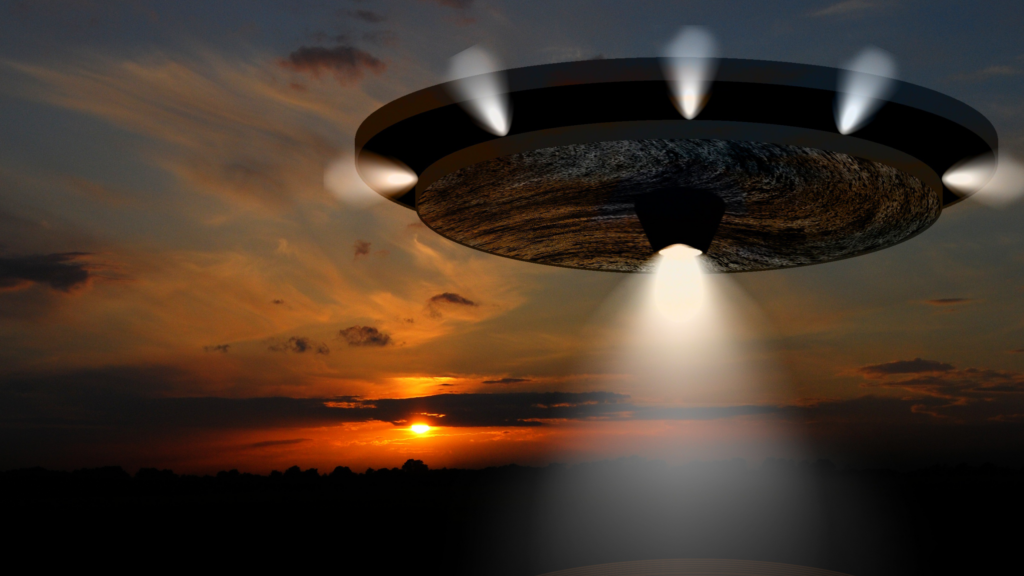
Una delle critiche rivolte a Spielberg è che la sua narrazione sia piena di cliché e che i suoi alieni siano piuttosto convenzionali. Chi lo sostiene sembra aver dimenticato che Spielberg merita una buona parte del merito per aver reso popolari molti di questi stessi elementi. Il suo interesse di lunga data per gli alieni ha influenzato numerose delle sue scelte cinematografiche. Incontri ravvicinati del terzo tipo (1977), E.T. l’extraterrestre (1982) e La guerra dei mondi (2005) sono tutti esempi del suo ritorno sul tema. Il suo ultimo film potrebbe essere il suo tentativo più debole di rappresentare una possibile reazione del mondo reale all’incontro dell’umanità con una forma di vita aliena, ma potrebbe anche essere il suo miglior tentativo di utilizzare gli alieni come catalizzatori di una storia che chiede sinceramente al mondo di guardarsi dentro e di interrogarsi sulla propria posizione attuale: possiamo davvero provare empatia nei confronti di quello che definiamo “l’altro”?
Nel 2021 Steven Spielberg ha realizzato un remake del classico West Side Story. Ci si chiedeva: perché rifarlo? L’originale è ancora considerato un film di grandissimo valore. Bastano però pochi momenti dall’inizio del film per ottenere la risposta. Il suo lavoro con la macchina da presa e il modo in cui riesce a catturare i ballerini in quella maniera familiare e al tempo stesso inconfondibilmente spielberghiana ricordavano a tutti il suo talento. Si può immaginare che, per il prossimo futuro, la sua macchina da presa continuerà ad avere l’ultima parola sui suoi detrattori.

Why Disclosure Day Is a Must-See
by Daniel Nelson
Cinema finds itself in an interesting place, the young upstarts that shape what you think of when you here terms like blockbuster are now the well-respected old guard staring at the twilight of their careers. Stevens Spielberg the legend that defined the “summer movie” and the “blockbuster” returns this year with a new project Disclosure Day. The film produced early nerves from critics as many have started to mummer that the Spielberg’s star has fallen and that like some of his contemporaries it could be time to ride off into the sunset like many a hero. However as all great heroes after a moment of almost inescapable disaster he returns to succeed again.
Spielberg belongs in the “Movie Brats”, a collection of directors who came up together during the 1970s helping each other on projects and supporting each other as each stamp their mark on Hollywood. This group that grew up enamoured with Alfred Hitchcock, John Ford and Akira Kurosawa carried over many lessons from their childhood greats, now find themselves the veterans and inspiration for a considerable amount of modern movies. Nevertheless this victory lap is not entirely without its stumbles. Francis Ford Coppola the director of such films as the Godfather trilogy, the Conversation (1974) and Apocalypse Now (1979), directed his last and potentially final film Megalopolis (2024) which turned out to be a humiliating flop. Martin Scorsese director of Goodfellas (1990) and Taxi Driver (1976) now finds himself struggling to raise money for new projects with his last two films The Irishman (2019) and Killers of the Flower Moon (2023) ending up as movies for streaming services. Brian De Palma the architect of Carrie (1976) and The Untouchables (1987) has largely been retired some time now, only making two films in almost two decades. Lastly George Lucas of Star Wars fame has taken a page from both Coppola and De Palma, having struggled to keep audiences happy with his return to the Star Wars universe; he retired and sold his company Lucas Arts to Disney. This ignominious end is nothing new their heroes walked similar roads. Hitchcock’s final years directing didn’t achieve a fraction of the success that he manage during the apex of his career, while Kurosawa struggled to get projects funded as he got older, having to turn to his eager admirers in Spielberg and Lucas to fund Kagemusha (1980).
So going into Disclosure Day people wondered if a now 79 year old Spielberg still had enough tricks in his bag to triumph at the box office. With a sigh of relief the answer looks like yes. Immediately the talent that has carried him through the decades is on show, his use of the camera is as detailed and sharp as ever. You know when you are looking at a Spielberg movie. The blocking within the frame, the shot selection and the movement between them are all top notch. As cinema changes, new directors come forward and new audiences consume films in new ways, classic lessons of movement and blocking slowly disappear. In spite of this Spielberg’s craft is still an example of how impactful it can still be on filmgoers. No doubt his enduring love for Akira Kurosawa’s style has stayed with him and influenced his work over the years. This mastery is visible through the movie especially during a scene that is likely going to be one of the most talked about cinematic moments of the year, where a car chase turns into a nail-biting encounter with a train.
Another element he brings to the table is star power, artists from across the globe still jump at the chance to work with Spielberg. Emily Blunt accomplishes maybe a career best performance as one of the lead characters. She plays a local newscaster who develops new mind reading powers and becomes the central figure being hunted by mysterious authorities. Blunt is asked to deliver a performance that has to switch between light and genial to overwhelmed, followed by wise and benevolent, often in quick succession. Coleman Domingo has to convey a deep sense of caring and empathy while frequently walking around on a mobile phone. His performance reaches its high when he has to share the screen with Colin Firth and has a heart to heart discussion about their conflicting goals and damage friendship. It’s no surprise the man who’s capable of this level of design can capture the depth of his actors performances.
A sad element of Coppola’s last outing Megalopolis was that it was an incredibly sincere attempt from the director. Clearly the 87-year-old has been looking at the state of the world and contemplating some of the modern ills we face today. Through the tools available to him (his art), Coppola chooses to make an attempt at presenting a more hopeful path forward for people. However the delivery of this message was at best clumsy and failed to resonate with audiences. This might of cause Spielberg to pause before progressing with his own attempt at a sincere appeal to the world. Disclosure Day’s heartfelt statement on the potential of humanity was far more coherent. A story where empathy is literally a superpower is far from subtle but maybe the idea people will be receptive to this year. I doubt it’s a coincidence that accomplished directors have made that a key element of their work this year, with Christopher Nolan’s The Odyssey touching on similar concerns.
Regardless of Disclosure Day’s numerous merits it’s still far from a perfect movie. Wyatt Russell’s character Jackson disappears two thirds of the way into the movie, in a way that feels like they didn’t have a good idea about what to do with him after a certain point. Some parts of the ending feel tacked on as well and the movie overall may have benefited from the last 30 minutes being trimmed down to a more impactful ending. The CGI fails to live up to expectations for a movie made at this point in film history. In a life time of producing some of cinemas most iconic scores, this one is one of John Williams’ more forgettable entries. The very poor peripheral vision of all the villains through the adventure stands out and uses up a large amount of the viewer’s good will.
A criticism hurled at Spielberg was that his story telling is filled with tropes and that his aliens are rather pedestrian. They clearly have forgotten that Spielberg is due his fair share of credit for popularising many of these elements. The director’s long ongoing interest in aliens has informed many of his choices in projects. Close Encounters of the Third Kind (1977), E.T. the Extra-Terrestrial (1982) and War of the Worlds (2005) are all examples of him revisiting the subject, his latest film maybe his weakest attempt at depicting a potential real world reaction to humans encountering alien life but it might also be his best attempt at using them as a catalyst in a story to earnestly ask the world to do some introspection about our current position, asking us all can we empathise with the so called other?
Back in 2021 Steven Spielberg remade the classic film West Side Story, people asked why remake it? The original is still so highly regarded, within a few moments of the film starting they got their answer. His camerawork and the way it captured the dancers in that familiar yet uniquely Spielberg way was a reminder of his talent. One can imagine his camera will have an answer for doubters for the foreseeable future.